
BESS in Lithuania: moving fast (article by Lina Taletavičiūtė-Misiūnienė)
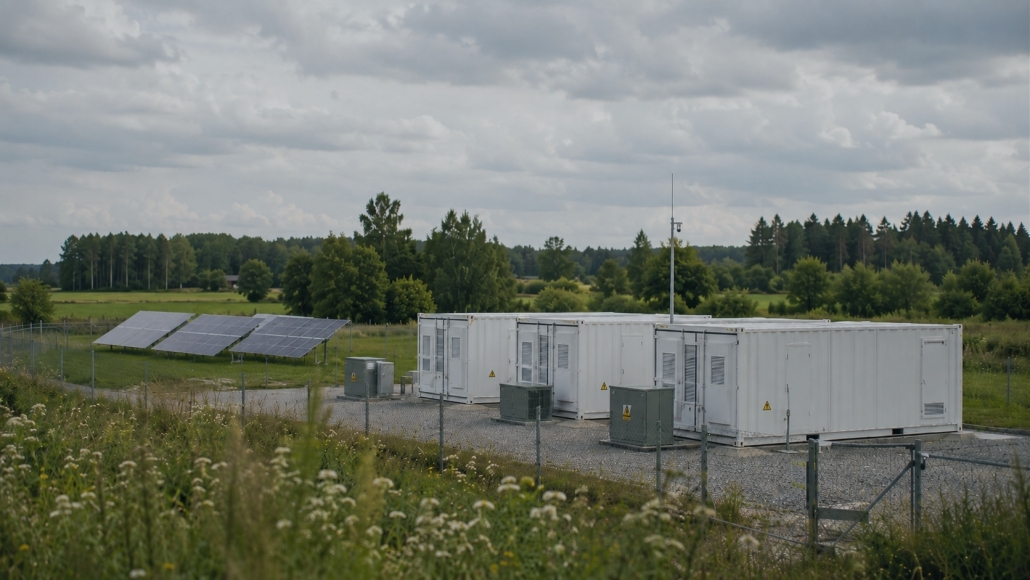
Battery storage development in Lithuania has accelerated considerably.
During the first half of 2026, 276 MW of battery storage capacity was connected to Lithuania’s transmission and distribution networks. In the same period of 2025, it was 19 MW. There is considerably more capacity in development.
Source: Lithuanian Ministry of Energy / Litgrid
BESS projects are being contracted, financed and built on relatively tight schedules.
Project timing and contractual alignment
Building a battery facility is like putting together a puzzle within a tight timeline. You have to get government permits, secure bank loans, order equipment and wait for the power company to hook you up to the grid. The possibility of providing balancing services may add another commercial consideration to the planned operational date.
The contracts need to take these timelines into account. Getting your batteries delivered on time does not help if the main power transformer arrives six months late, leaving your expensive equipment doing nothing.
Contract structure and contractors’ responsibility
A BESS project will normally involve considerably more than the battery supply agreement.
Depending on the structure, there may be separate contracts for the battery system, transformer and other electrical equipment, construction and installation, grid connection works, operation and maintenance. Securing land rights, putting financing and insurance arrangements in place add further layers.
All these contracts need to allocate clearly responsibility between the contractors and avoid gaps in responsibility. A gap between contractors’ responsibilities ultimately becomes the project company’s problem.
At the same time, contractors will normally seek to cap their liability. These caps need to be considered together with the overall contractual structure and the project company’s potential exposure if something goes wrong.
What is the battery required to deliver?
MW and MWh are obvious starting points, but they do not fully describe the expected performance of a BESS.
Usable capacity, availability, round-trip efficiency, degradation and cycling parameters can all affect the commercial performance of the asset. These parameters need to be defined in a way that can actually be tested. The contract should deal with what happens when the system does not meet them.
The warranty structure is equally important. A BESS is typically expected to operate for 10 to 20 years, while its performance will change over time. The contractual guarantees therefore need to take this degradation into account throughout the agreed warranty period.
Contractual structure for standalone and hybrid projects
The contractual structure also depends on how the battery will be used.
A standalone BESS is different from storage added to an existing wind or solar project, particularly where the generation and storage facilities share grid connection infrastructure.
In those projects, connection rights, permitted generation and consumption capacity, ownership of infrastructure, metering and electricity flows need to correspond to how the project will actually operate. This is particularly relevant in Lithuania as more storage is developed alongside renewable energy generation.
I have been working with more BESS projects recently, and the speed at which some of them are progressing is noticeable. In that situation, the legal work has to move at the same pace. At this speed, you need to keep the whole project in view and make sure that responsibilities, delays, performance requirements and liability are properly addressed in each contract.
